|
Corps-à-corps |
| 2026-06-26 |
Corps-à-corps
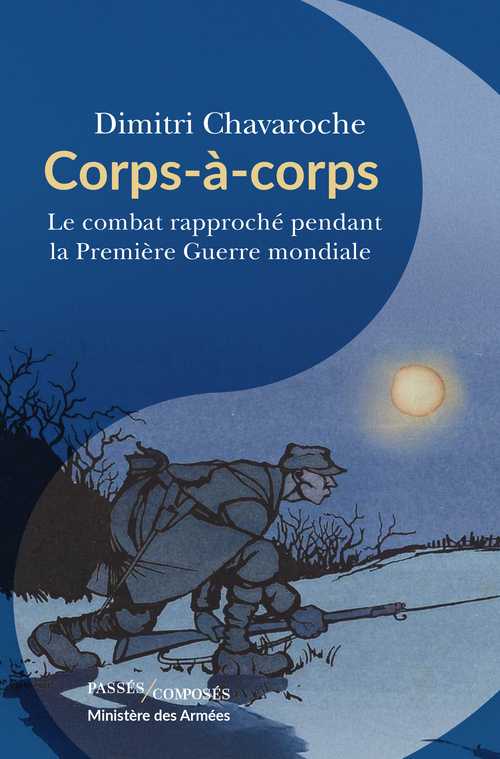
A book in French about close combat in the First World War, it is coedited with the Ministère des Armées. It looks at three text corpuses from french military archives.
Cold steel fighting was rare in the trenches, it is a widely held consensus among historians. But paradoxically close combat is very present in historiography.
It's not a book about heroes and heroism, it's rather endeavoring to listen at the edge of a mute spot. Why did soldiers tasked with trench cleaning discard the knives given to them for the task? Why did the action report fast forward over the melee? Why did the officer let his pen go wild into flourishes and clichés as he recounted it?
The chapter four title pointedly asks: "More ink than blood?".
Not much cold steel fighting as soldiers think to themselves, "Is this what they want of me? To become an assassin?". A few of them seemed to have played the game, but they were Apaches or some other kind of criminal before the mobilization.
You really need a steady hand for cold steel, and it's better to keep some distance for better odds. The favoured weapons were the revolver or the automatic handgun, and hand grenades.